
How You (Parents) Can Help Your Child Succeed in Piano
How You Can Help Your Child Succeed in Piano 🎹
Learning piano is a team effort, and parents play a bigger role than most people realise. In this article, we explore how families can support their child’s musical journey at home, why children often lose motivation, what healthy practice routines look like, and how parents can create a positive musical environment without becoming overbearing.
1.Expect the Honeymoon, and the Hard Work
The first few weeks usually are very exciting for everyone! But once the novelty wears off, progress takes patience.
Remember: frustration and slow progress are normal. Stick with it, this is where meaningful growth begins.
2. Your Role Is Essential, and Powerful
Your encouragement matters more than perfection.
Notice what’s going well, and let them know. Try to be specific, for example “I love how smooth that sounded!”, instead of just “Good job!”.
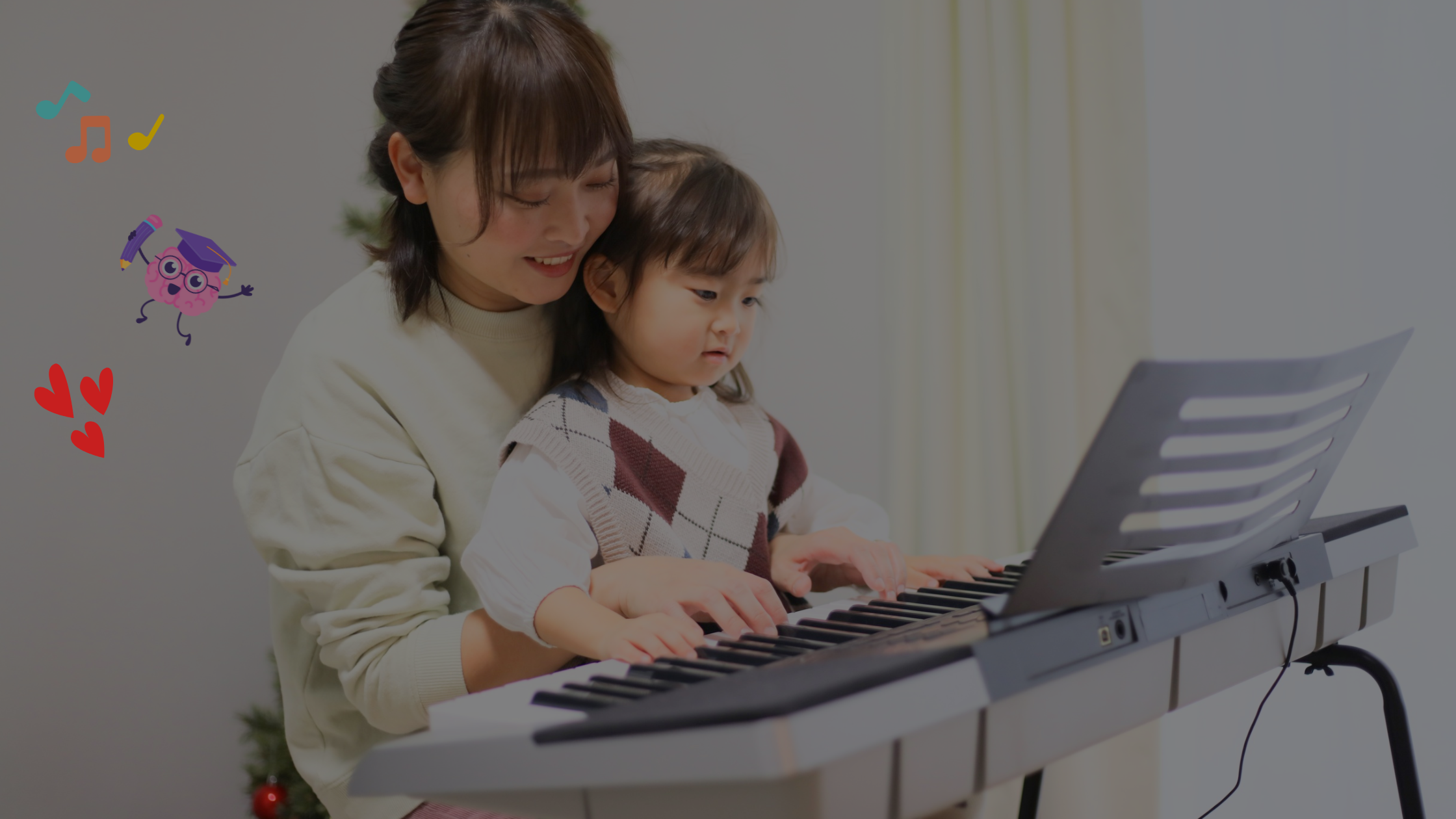
Sit nearby during practice to offer calm presence, not constant corrections.
Ask your teacher for advice on how you can support your child’s playing and practice at home.
3. Create a Musical Home
Music is learned through exposure and enjoyment.
Play music you love at home on the radio, Spotify, or anywhere. It doesn’t have to be piano or classical music, play music that you and your child can genuinely enjoy together.
Attend concerts, or watch musicians perform online.
Show your own joy. Kids imitate what they see.
4. Make Practice a Daily Habit
Treat practice like brushing teeth. Small, consistent, and automatic.
5 to 10 minutes a day is far better than one long session a week.
Try practicing before playtime or screens.
Be calm but consistent. Habits form through routine, not reminders.
5. Build the “Motivation Circle”
Practice ➜ Progress ➜ Motivation ➜ Repeat
The more they practice, the more they will progress;
The more they progress, the more motivated they will feel;
The more motivated they feel, the more they will want to play and practice;
Which then leads to more progress, more motivation, more playing, more practicing, etc.
Help them reach that first spark of progress!
6. Celebrate Their “Playlist”
Encourage your child to keep a short list of favourite pieces they can already play. Ask them, “Can you play one of your songs for me?” It builds pride, confidence, and lasting joy.
7. Keep Communication Open
We’re a team! Talk with your teacher if practice feels stressful or unclear. Every child, and every family, is different.
At Piano Generation, we believe music is learned best when home and studio work hand-in-hand. Let’s help your child Learn, Play, and Enjoy music! 🎵
Article credit: This article is a summary of an interview between Clinton Pratt and parent-education expert Barbie Wong.